

.webp?width=500&height=281&name=Employee%20Engagement%20Trends%202026%20(4).webp)

Updated January 30, 2026
Modern organizations rely on evidence-based performance management strategies to drive engagement, alignment, and growth. In fact, companies with effective performance management systems are 2.5 times more likely to outperform their peers in financial performance and employee retention.
Whether you’re refining an existing approach or designing a new system, understanding the best practices for performance management helps HR leaders, managers, and employees thrive together.
Without a strategic direction—and the right tools—your performance management strategy can lead to low adoption and ultimately underperformance.

Key Takeaways
-
Create continuous performance conversations: Replace once-a-year performance reviews with ongoing, data-driven discussions that help employees set goals, receive feedback, and stay aligned with organizational objectives.
-
Empower managers as coaches: Equip leaders with proper training, tools, and guidance to deliver timely, constructive feedback and foster employee development through regular 1-on-1s and recognition.
-
Leverage technology and data to drive strategy: Implement modern performance management software that tracks progress, captures real-time feedback, and provides analytics to refine goals and improve decision-making.
Employees crave fairness, transparency, and ongoing coaching and feedback. When leaders prioritize these things, employees feel connected to the rest of the organization and can do their best work.
Our research informs the development of effective best practices for performance management. Through clear methodologies and actionable insights, we aim to provide organizations with structured guidance to enhance their performance management strategies.
Why are performance management strategies important?
Performance management strategies are essential because they connect individual efforts to organizational success. They provide structure for setting expectations, measuring progress, and optimizing performance outcomes across every role.
The importance of performance management
Strong performance management practices are essential for fostering employee growth, developing future leaders, and strengthening organizational culture. By using a consistent and structured approach, your organization can expect to:
- Ensure fairness and transparency in evaluations
- Promote accountability across teams and individuals
- Align talent management with key business objectives
Key benefits of structured performance management
A well-designed performance management system helps HR leaders:
- Engage employees by setting clear expectations and providing constructive feedback
- Build leadership pipelines through targeted development strategies
- Advance organizational priorities by aligning individual goals with broader business strategies
By adopting clear, consistent practices, HR professionals can build systems that support their teams and drive the organization's long-term success.
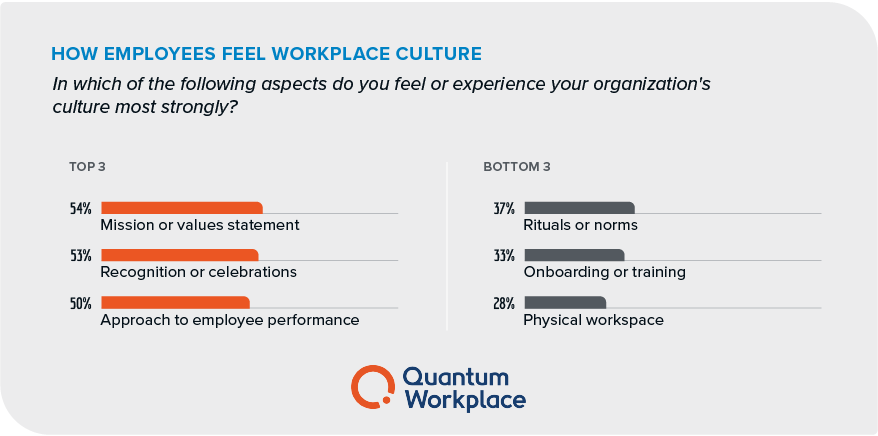
According to our research on organizational culture, how an organization approaches performance management is a critical part of how employees feel about the culture within their organization. In fact, 50% of employees experience culture most strongly through their employer’s approach to performance.
28 performance management best practices
Goal Setting
-
Prioritize collaborative goal setting
-
Frequent review and revision of goals
-
Align goals to organizational purpose
-
Set stretch but realistic goals
-
Use OKRs or SMART goal frameworks
Feedback & Communication
-
Regular 1-on-1s and continuous conversations
-
Timely, actionable feedback
-
Two-way feedback
-
Clear communication of expectations
-
Use technology for feedback and communication
-
Incorporate AI-driven performance insights
-
Promote psychological safety feedback
Managerial Approach
-
Fair and transparent evaluation
-
Bias awareness and mitigation
-
Invest in manager enablement coaching
Development & Recognition
-
Unique individual growth and development strategy
-
Real-time and ongoing recognition
-
Linking development to performance conversations
-
Provide learning and stretch opportunities
-
Regular review of recognition practices
-
Integrate career pathing into performance management
System & Culture
-
Continuous performance management conversations
-
Bring employees into the process
-
Make the system usable and reduce friction
-
Culture of trust, fairness, transparency
-
Leadership buy-in and role modeling
-
Embed DEI (Diversity, Equity, and Inclusion) in Performance Management
Goal setting
1. Prioritize collaborative goal setting
Involve employees in defining objectives to foster ownership, clarity, and engagement.
🔥 HR tip: Encourage managers to co-create goals that align with both individual aspirations and organizational outcomes.
2. Frequent review & revision of goals
Revisit goals quarterly or even monthly. Dynamic goal management ensures agility and keeps performance management strategies relevant in shifting business conditions.
🔥 HR tip: Implement regular touchpoints for adjustments.
3. Align goals to organizational purpose/big picture
Ensure each goal connects directly to company objectives. This alignment helps employees understand how their work drives strategic outcomes.
🔥 HR tip: Use cascading goals in your HR platforms.
4. Set stretch but realistic goals
Ambitious yet attainable goals push employees to improve without creating burnout.
🔥 HR tip: Provide training for managers in goal calibration.
5. Use OKRs or SMART goal frameworks
Integrating structured goal-setting methods like OKRs (Objectives and Key Results) or SMART goals boosts clarity and measurability.
🔥 HR tip: Standardize OKR or SMART method training for consistent goal alignment across teams.
Feedback & communication
6. Regular 1-on-1s and continuous conversations
Ongoing discussions replace the outdated annual review model. Frequent conversations strengthen trust and agility.
🔥 HR tip: Standardize 1-on-1 cadence organization-wide.
7. Timely, actionable feedback
Provide feedback close to performance events. Actionable insights help employees improve in real-time.
🔥 HR tip: Create manager toolkits for structured feedback delivery.
8. Two-way feedback
Encourage employees to share feedback with managers. This builds psychological safety and mutual trust.
🔥 HR tip: Establish anonymous channels for upward feedback.
9. Clear communication of expectations
Define what success looks like from day one.
🔥 HR tip: Tie performance expectations to specific competencies and outcomes.
10. Use technology for feedback and communication
AI-driven feedback tools streamline data collection and analysis while improving accuracy.
🔥 HR tip: Invest in platforms that integrate with your HRIS for real-time insights.
11. Incorporate AI-driven performance insights
Use analytics and AI tools to generate real-time insights and reduce subjectivity in evaluations.
🔥 HR tip: Leverage technology to support data-informed performance discussions.
12. Promote psychological safety feedback
Encourage open communication without fear of retribution to foster trust and innovation.
🔥 HR tip: Train managers to respond constructively and build a culture of safety during reviews.
Managerial approach
13. Fair and transparent evaluation
Ensure evaluations use objective metrics. Bias-free reviews strengthen equity and trust.
🔥HR tip: Use calibrated review processes across departments.
14. Bias awareness and mitigation
Train managers to recognize and counter cognitive bias in assessments.
🔥 HR tip: Include bias awareness modules in leadership development programs.
15. Invest in manager enablement coaching
Equip managers with the tools and frameworks to lead continuous performance conversations effectively.
🔥 HR tip: Offer leadership programs focused on feedback, motivation, and empathy.
Development & recognition
16. Unique individual growth and development strategy
Personalized development fosters engagement and retention.
🔥 HR tip: Use employee data to craft individualized career pathways.
17. Real-time and ongoing recognition
Instant recognition reinforces desired behaviors and performance.
🔥 HR tip: Adopt peer-to-peer recognition software for consistent reinforcement.
18. Linking development to performance conversations
Integrate skill-building discussions into performance meetings.
🔥 HR tip: Align learning goals with review outcomes.
19. Provide learning and stretch opportunities
Give employees challenging assignments that drive growth.
🔥 HR tip: Formalize stretch assignments in performance discussions.
20. Regular review of recognition practices
Continuously assess recognition programs to ensure inclusivity and relevance.
🔥 HR tip: Gather feedback to evolve recognition initiatives.
21. Integrate career pathing into performance management
Link evolving performance goals with transparent career growth plans.
🔥 HR tip: Create structured career ladders or mobility paths within your HR system.
22. Personalize recognition through data and feedback analytics
Use data to tailor recognition programs that fit different team cultures and employee motivations.
🔥 HR tip: Use recognition data dashboards to track engagement and inclusivity metrics.
System & culture
23. Continuous performance management conversations
Embed performance discussions into daily workflows for scalability and consistency.
🔥 HR tip: Promote performance as a shared responsibility.
24. Bring employees into the process
Collaborative performance management improves accountability.
🔥 HR tip: Involve employees in process design and feedback loops.
25. Make the system usable and reduce friction
Adopt user-friendly performance management tools.
🔥 HR tip: Prioritize intuitive platforms and streamline administrative tasks.
26. Culture of trust, fairness, transparency
Performance only thrives in environments rooted in trust.
🔥 HR tip: Model transparency from leadership to reinforce authenticity.
27. Leadership buy-in and role modeling
Leaders should exemplify coaching, feedback, and recognition behaviors.
🔥 HR tip: Incorporate these expectations into leadership performance reviews.
28. Embed DEI (Diversity, Equity, and Inclusion) in Performance Management
Ensure performance systems account for equity and diversity, reducing systemic bias and promoting fairness.
🔥 HR tip: Regularly audit performance outcomes for bias and ensure representation in metrics and recognition.
5 Steps to build an effective performance management strategy
Effective performance management strategies are built on three core pillars: structured design, consistent feedback, and measurable outcomes. To improve alignment between employees and organizational goals, follow these steps:
1. Assess needs and set goals
Start by identifying current performance gaps and defining measurable success criteria. HR should analyze engagement data, turnover metrics, and productivity benchmarks to guide goal setting.
2. Engage stakeholders and secure buy-in
Involve leaders, managers, and employees early in the process. Buy-in from the start ensures your performance management strategy is a company-wide solution, not another HR-only process.
3. Design a tailored performance management framework
Develop processes that fit your company’s size, culture, and teams. This may include adjusting feedback cycles, evaluation criteria, and goal alignment models to ensure that the data you populate reveals the most valuable insights.
4. Select processes and tools that fit teams and roles
Choose performance management tools with advanced customization, intuitive communication, and seamless integration with other HR systems. With AI's rapid advancements in predictive insights and reporting, consider employee engagement platforms that use AI analytics to make management data clear and accessible for your team.
5. Adjust strategies based on data and feedback
Review your strategy regularly, using performance metrics and employee feedback. Continuous improvement ensures sustainability and relevance in a changing workforce.
How technology supports your performance management strategy
Less than one-fifth of HR leaders believe their approach to performance management is effective right now, and 81% of leaders are changing their performance management system. A major shift is underway, and the best leaders leverage technology to follow performance management best practices. Here’s how performance management tools can help you:
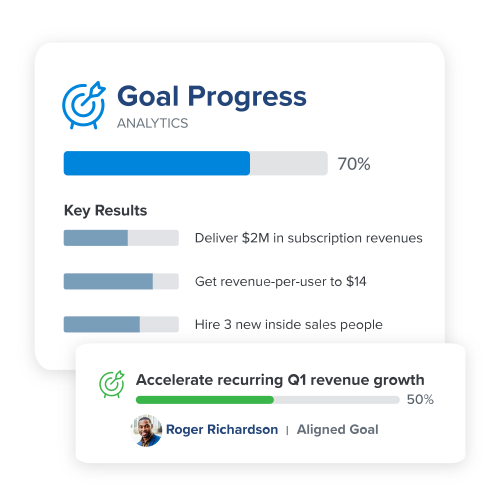 |
GoalsA robust goal management software helps teams set, track, and elevate goals to the entire organization. That way, every employee can see—and contribute to—the big picture behind business objectives. |
|
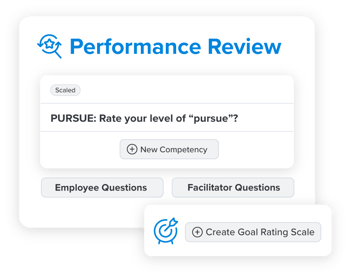
Performance ReviewsPerformance review software helps the organization streamline performance evaluations with simple and effective reviews. Managers build frequent and consistent performance habits that are critical to drive employee success. |
|
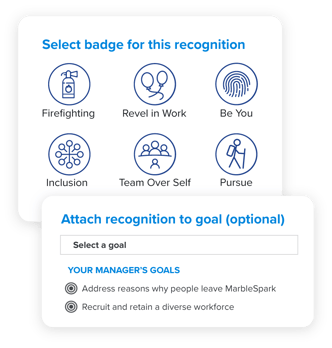
RecognitionAn effective employee recognition tool will help people across the organization celebrate each other. The right software will connect recognition to key goals and values, motivating employees to continue important behaviors. |
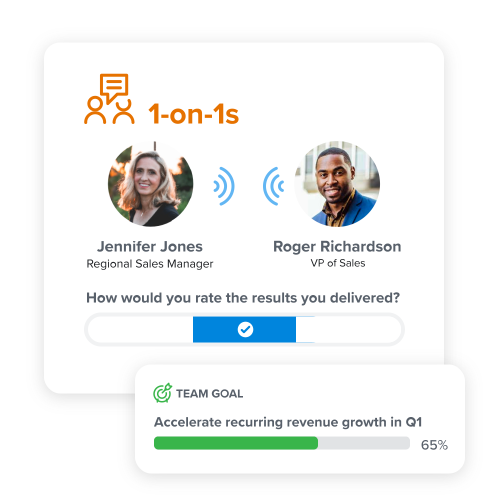 |
1-on-1sOne-on-one meeting software facilitates employee manager conversations, increasing clarity and communication. Leaders can launch a 1-on-1 anytime, from anywhere, and integrate goals and feedback for better conversations. |
.svg) |
FeedbackA two-way feedback solution will help your employees become better team members, and managers become better coaches. With flexible frameworks, employees and managers can ask for or provide feedback to grow in their role. |
|
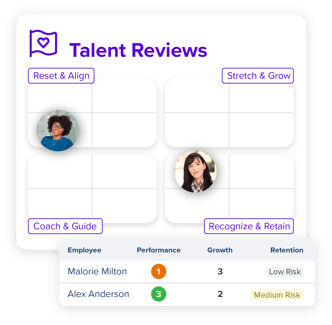
Talent reviewsTo make strategic people decisions, leaders need to understand the overall state of their talent. With an intuitive talent review tool, leaders can elevate top performers and talent risk to take the right action and grow. |
|
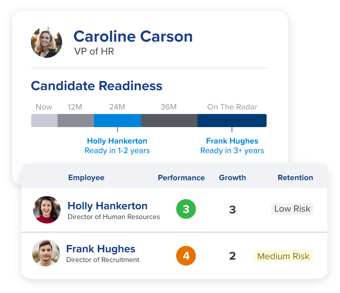
Succession planningLeaders need effective tools to help them plan for the future, ensuring they have the right people in the right jobs at the right time. Succession planning software helps leaders capture successor interest and readiness to plan for critical roles—while helping potential successors grow and develop to be ready when called upon. |
Consider these performance management best practices and trends when shaping your approach. By coaching performance with employee engagement in mind, you’ll help employees reach their full potential and drive consistent business outcomes
Is performance management a priority for your organization this year? Learn more about how Quantum Workplace can help you make performance management easier. Get a demo today!