


.webp?width=500&height=281&name=Employee%20Engagement%20Trends%202026%20(4).webp)

Updated January 20, 2026
Preparation guides the direction of any important performance conversation. It's particularly important for the annual performance review.
By the time a performance review discussion begins, you and your employee have both developed internal expectations that shape your mood and approach. If these intentions aren’t aligned, the conversation will get knocked off track before it has the chance to make a meaningful impact. To ensure a successful performance review, it is crucial to prepare for delivering critical feedback in a clear and effective manner.
Here are a few key highlights from this blog post that will help your managers understand how to prepare for a performance review:
- Performance reviews are valuable opportunities to boost employee and business success
- Preparation (or lack thereof) can make or break your performance review conversation
- Effective performance reviews require clear communication, a structured agenda, and constructive feedback
- Feedback from performance reviews can help shape future goals and support employee development
- Navigating difficult conversations and choosing the right phrases is crucial during performance reviews
Let's dive in!
Understanding performance reviews
Performance reviews are valuable opportunities to boost employee and business success. They're an important part of your organization's performance management process. Managers and employees can align on expectations and create a plan for development. Employees can get specific feedback on tasks, projects, and behaviors, including what is going well and areas for improvement. The review process also allows employees to reflect on what they've accomplished—and where they'd like to go next, including potential role changes.

The importance of effective performance reviews
Quantum Workplace research shows only 68% of employees feel their performance is fairly evaluated. And only 60% say their managers provide performance feedback that actually helps them improve. This highlights a big opportunity for managers to have more effective review conversations.
When approached thoughtfully, performance reviews can serve as pivotal moments for employee growth and professional development. But managers need to dedicate adequate time and resources to prepare. They need access to data that helps them get a full picture of employee performance. They need a structured and collaborative agenda to help frame the conversation. And they need to consider how they'll deliver feedback in a meaningful and motivating way.
The goal of preparing for a performance review meeting? A productive and engaging conversation that helps employees feel clear, refreshed, and ready to tackle the next year.
7 steps to prepare for a performance review
Preparing for a performance review sets the stage for a productive, meaningful conversation. By taking a structured approach, managers and employees can align on accomplishments, identify growth opportunities, and turn feedback into actionable goals. Follow these steps to prepare for a performance review:
- Gather Evidence
- Reflect and Evaluate
- Connect to Company Goals
- Listen Actively
- Ask Clear Questions
- Create Goals
- Schedule Check-Ins
Before the review
- Gather Evidence – Collect detailed performance metrics, specific examples of completed work, and relevant peer feedback to build a strong case for discussion. Make sure to include both quantitative data, like productivity numbers or project outcomes, and qualitative insights, such as feedback highlighting teamwork or problem-solving skills. Having concrete points ensures a more productive and well-rounded conversation.
- Reflect and Evaluate – Take time to review your own performance, reflecting on your achievements, challenges, and the lessons you’ve learned along the way. Assessing your progress helps identify patterns, recognize strengths, and uncover areas where you can improve or grow. This process not only highlights what’s working well but also provides insights into overcoming obstacles and setting clearer goals for the future.
- Connect to Company Goals – Gain a clear understanding of how each person's specific contributions and tasks directly support their team's goals and the organization's broader objectives. This helps everyone see the bigger picture and the value of their work,
During the review - Listen Actively – Focus on understanding the employee’s perspective by actively listening to their concerns, asking thoughtful questions, and showing empathy. Take the time to clarify their experience to ensure you fully grasp their point of view and can address their needs effectively.
- Ask Clear Questions – Encourage meaningful dialogue by asking specific, actionable questions that focus on performance, goals, and development. For example, inquire about recent challenges they’ve faced, areas where they feel they’re excelling, or skills they’d like to improve. This approach fosters open communication, helps identify growth opportunities, and ensures alignment on objectives.
After the review - Create Goals – Set SMART goals that are specific, measurable, achievable, relevant, and time-bound. Ensure they are clear and focused, making it easier to track progress and measure success. Align these goals with your company’s priorities to drive meaningful results and support overall business objectives.
- Schedule Check-Ins – Schedule regular follow-up meetings to track progress, discuss any challenges, and ensure goals are being met. Use these sessions to provide constructive feedback, celebrate achievements, and offer guidance or resources to support continued development and growth.
Tips for HR professionals for performance reviews
HR plays a critical role in making performance reviews smooth, consistent, and effective across the organization. By preparing tools, processes, and guidance, HR can help managers and employees get the most value from each review, while saving time and reducing stress.
How HR can prepare:
-
Provide clear guidelines and templates – Standardized review forms and agendas help managers stay organized and ensure consistency across teams.
-
Offer training for managers – Equip leaders with skills to deliver constructive feedback, ask the right questions, and conduct unbiased, meaningful reviews.
-
Collect and share performance data – Gather metrics, peer feedback, and self-assessments in advance so managers enter the conversation prepared.
-
Facilitate goal-setting frameworks – Provide tools or frameworks to help managers set SMART goals aligned with team and company priorities.
-
Encourage ongoing check-ins – Promote a culture of continuous feedback by encouraging managers to meet regularly with employees beyond formal reviews.
-
Streamline logistics – Schedule review meetings, manage reminders, and make it easy for employees and managers to access documentation.
These tips help transform performance reviews from a box-ticking exercise into a powerful tool for growth, creating a culture where every employee feels aligned, valued, and empowered to achieve their best.
Navigating difficult conversations
Navigating difficult conversations is a critical skill for managers. In order to grow and improve, you have to be able to tackle the hard stuff together.
When you're entering a review conversation that you know will be difficult, preparation is key. You want to gather all pertinent data and examples that will help bolster your points. You also want to spend some time anticipating potential reactions from the employee. Moreover, you want to approach these conversations with empathy and open ears. It's important to consider the employee's perspective and emotions to encourage constructive dialogue.
During the conversation itself, focus on clear and direct communication. Use specific language to articulate feedback and concerns, avoiding ambiguity that could lead to misunderstandings. Active listening and open-ended questions can help promote mutual understanding and productive conversation.
How Quantum Workplace can help you streamline performance reviews
Performance conversations don’t need to be hard. Keep your managers and employees on the same page with engaging performance reviews. Our performance review software gives your teams reliable context to help them have more objective and engaging conversations.
|
|
1. Customize reviews to fit your needs.Easily measure what you want, when you want with flexible review modules that you can tailor to fit the needs of your culture and the various groups within it. |

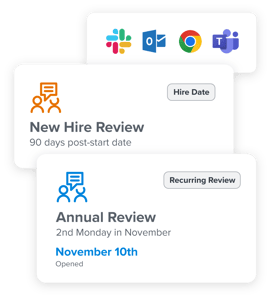
2. Help your managers build positive performance habits.Make it easy for manager to coach to performance by integrating your process into their existing workflows. Set up formal conversation cycles to create the right frequency and consistency of touch points. |
|
|
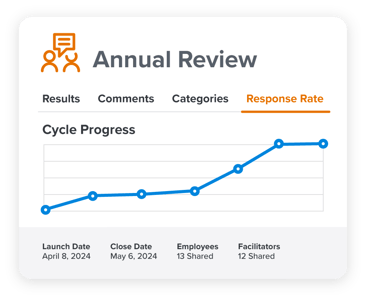
3. Easily track review response rates.See the status of each review cycle to help your teams stay accountable and monitor performance ratings in real-time. |
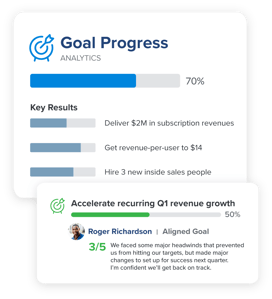
4. Embed performance goals directly into reviews.Our platform makes it easy to include performance goals as part of performance evaluations—and helps coach managers have objective, effective, and growth-oriented conversations. |
|
|
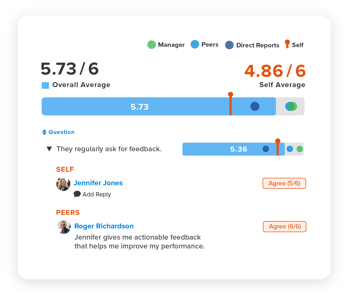
5. Orient reviews around multi-rater feedback.Incorporate feedback into your review cycles to gain valuable insight from the individuals your people work with most, and better orient performance conversations around development. |
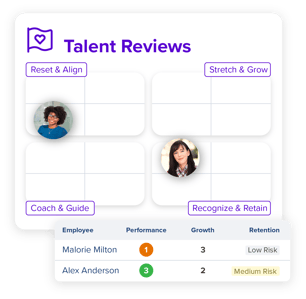
6. Visualize and align on performance data across teams.Get a comprehensive view of your organization’s talent with our talent dashboard. Zoom out and see the big picture, to help you make more informed decisions on how to keep and develop your best talent. |
 |
Conclusion: How to prepare for a performance review
Managers must make time and understand key elements of how to prepare for a performance review. Effective performance reviews hinge on thoughtful preparation, empathy, and clear communication. Managers and employees should aim to align their intentions and expectations to spark more meaningful conversations. When both parties prepare with care, performance reviews can be catalysts for employee growth, engagement, and impact in the coming year.
Performance review preparation tips FAQs
Why is preparing for a performance review important?
Preparing ensures a productive, focused conversation. It allows both managers and employees to review accomplishments, identify growth areas, and set actionable goals. Preparation also helps reduce bias and supports a fair, meaningful review process.
3 top reasons to prepare for performance reviews
- Review Accomplishments: Reflect on achievements and progress made over the review period.
- Identify Growth Areas: Pinpoint opportunities for development and improvement.
- Set Actionable Goals: Define clear, achievable objectives for future success.
How should I prepare for my performance review?
Proper preparation for performance reviews helps employees and managers engage in meaningful discussions and set clear development priorities.
Prepare for performance reviews by:
-
Reflecting on achievements and challenges
-
Reviewing past goals and performance notes
-
Considering feedback from peers and self-assessments
-
Preparing questions about growth, development, and future opportunities
What documents or data should I gather before a review?
Gathering relevant data ensures the performance review is evidence-based, fair, and focused on results.
Documents and data that help you prepare for performance reviews include:
-
Performance metrics and KPIs relevant to your role
-
Examples of completed projects and accomplishments
-
Self-assessment or reflections on your performance
-
Feedback from peers, team members, or clients
How can HR ensure performance reviews are fair and unbiased?
HR can provide tools and design templates that promote consistency and objectivity across the organization.
HR can reduce bias in performance reviews by:
-
Providing standardized templates and clear evaluation criteria
-
Training managers on delivering objective, constructive feedback
-
Encouraging multiple data points, including peer feedback and measurable outcomes
-
Monitoring consistency across teams and departments
What tools or software can HR use to streamline the review process?
Using the right tools and software helps HR and managers simplify review workflows, track progress, and provide actionable insights.
Powerful performance review tools and software include:
-
Performance management platforms for tracking goals, feedback, and review history
-
AI-powered analytics to identify trends, patterns, and potential biases
-
Collaboration and scheduling tools to coordinate meetings and follow-ups
-
Templates and dashboards to ensure clarity and consistency
Make your performance review process more effective, efficient, and engaging. Quantum Workplace's performance review software helps your managers and teams prepare for, facilitate, and follow up for better reviews and better performance.