

.webp?width=500&height=281&name=Employee%20Engagement%20Trends%202026%20(4).webp)
The recognition gap: investment vs impact
.png?width=300&height=300&name=67%25%20(1).png)
67% of employees say their organization has a formal recognition program
.png?width=300&height=300&name=40%25%20(1).png)
40% of employees at these organizations say the recognition they receive isn't meaningful
.png?width=300&height=300&name=7.2x%20(3).png)
When recognition is designed right, employees are 7.2X more likely to stay
Key themes in The Cost of Unnoticed
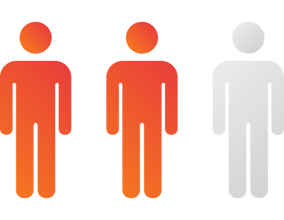
2 in 3 employees want more recognition for their work.
Nearly half don't believe they'll be recognized even if they contribute to the organization's success. And 1 in 5 received zero recognition in the past year.
.png?width=284&height=284&name=38%25%20(1).png)
Just 38% of employees recognized rarely or never are highly engaged.
Comparatively, 80% of employees who are recognized monthly or more are highly engaged. Employees feeling unnoticed are also less motivated, less likely to advocate for their organization, and more likely to leave.
2X
At organizations where recognition is consistent and embedded, employees are twice as likely to stay.
This isn't an unreachable state. 53% of organizations with formal programs are already there—and the rest are just a few design decisions away from achieving a program that drives outcomes.
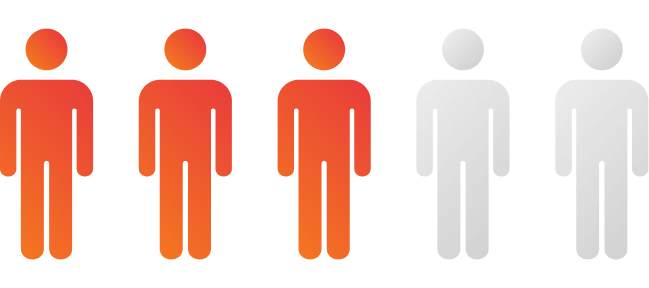
3 in 5 employees say recognition is inconsistent, top-down, gated by approvals, or nearly absent.
Organizations getting recognition right aren't outliers that are spending more or building more complex programs. Rather, they've made a specific set of design choices around frequency, meaning, visibility, and data.
7.2X
When organizations design recognition right, employees are 7.2X more likely to stay.
When recognition is consistent, meaningful, visible, and includes rewards, employees are much more likely to feel valued and to stick around. The effects are long lasting, with 65% of employees looking for additional ways to contribute and 59% putting in extra effort.
Too many employees are going unnoticed.
2 in 3 employees want more recognition for their work.
Nearly half don't believe they'll be recognized even if they contribute to the organization's success. And 1 in 5 received zero recognition in the past year.
Unnoticed has a hefty price tag.
Just 38% of employees recognized rarely or never are highly engaged.
Comparatively, 80% of employees who are recognized monthly or more are highly engaged. Employees feeling unnoticed are also less motivated, less likely to advocate for their organization, and more likely to leave.
There's one ideal state for employee recognition.
2X
At organizations where recognition is consistent and embedded, employees are twice as likely to stay.
This isn't an unreachable state. 53% of organizations with formal programs are already there—and the rest are just a few design decisions away from achieving a program that drives outcomes.
Recognition programs fail by design, not intent.
3 in 5 employees say recognition is inconsistent, top-down, gated by approvals, or nearly absent.
Organizations getting recognition right aren't outliers that are spending more or building more complex programs. Rather, they've made a specific set of design choices around frequency, meaning, visibility, and data.
With the right program design, the payoff compounds.
7.2X
When organizations design recognition right, employees are 7.2X more likely to stay.
When recognition is consistent, meaningful, visible, and includes rewards, employees are much more likely to feel valued and to stick around. The effects are long lasting, with 65% of employees looking for additional ways to contribute and 59% putting in extra effort.
About the research
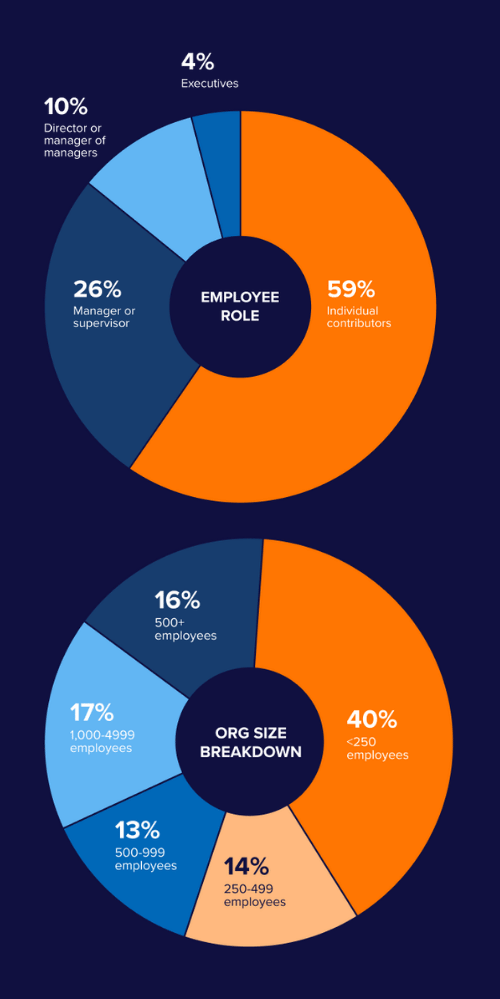
To help HR and business leaders understand the impact of employee recognition and rewards, Quantum Workplace surveyed 593 employees across a wide range of industries and company sizes.
Measuring engagement
Engagement was measured using Quantum Workplace's e9, a scientifically validated nine-item index of employee engagement outcomes.
Fielding dates
March 31-April 22, 2026